The short answer: what to do in Vienna
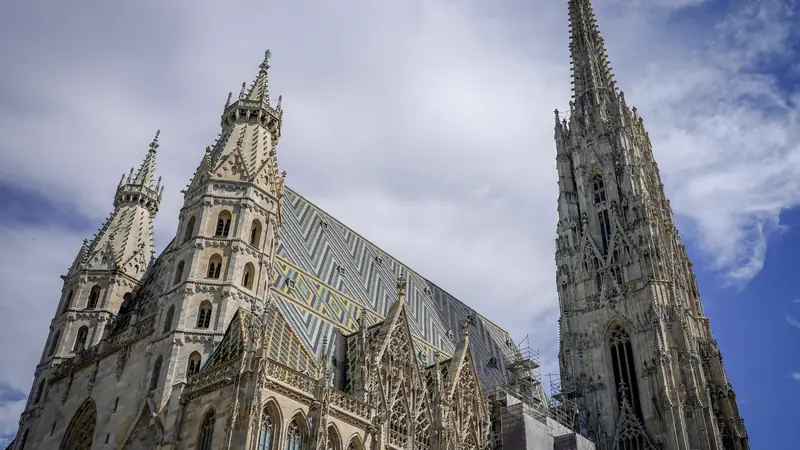
If you only remember a handful of things, remember these. The top things to do in Vienna are seeing St Stephen’s Cathedral in the old town, touring Schönbrunn Palace and its gardens, walking the imperial Hofburg and the grand Ringstrasse, admiring Klimt’s The Kiss at the Belvedere, grazing your way through the Naschmarkt, riding the giant Ferris wheel at the Prater, and settling into a traditional Viennese coffee house for cake and an unhurried afternoon. Add a classical concert in the evening and a day trip to the Wachau Valley, Bratislava or Budapest, and you have the essence of the city.
We are Prime Tours, an owner-run team based right here in Vienna. We started as Vienna’s original free walking tour company and we are the local operator behind the SANDEMAN’s New Europe tours in the city, so a good part of what we do all day, every day, is help visitors turn a long wish list into a route that actually works on foot. This guide is the version of “what should we do?” that we give our own guests. It moves from the must-see themes to three field-tested itineraries for one, two and three days, and it finishes with practical tips and answers to the questions we hear most.
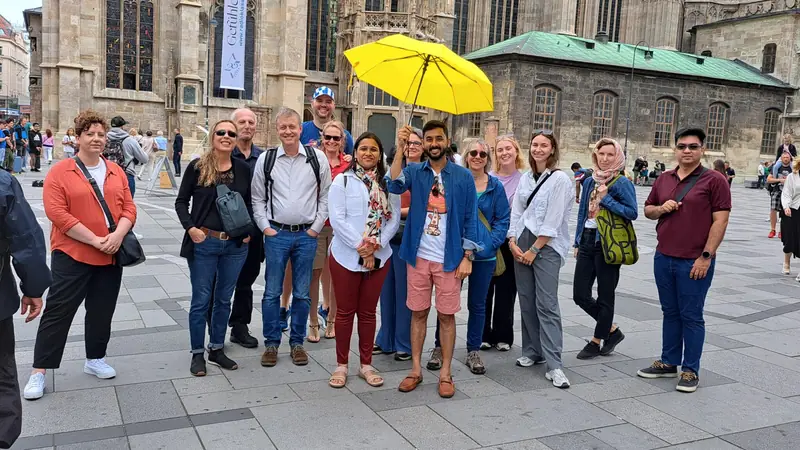
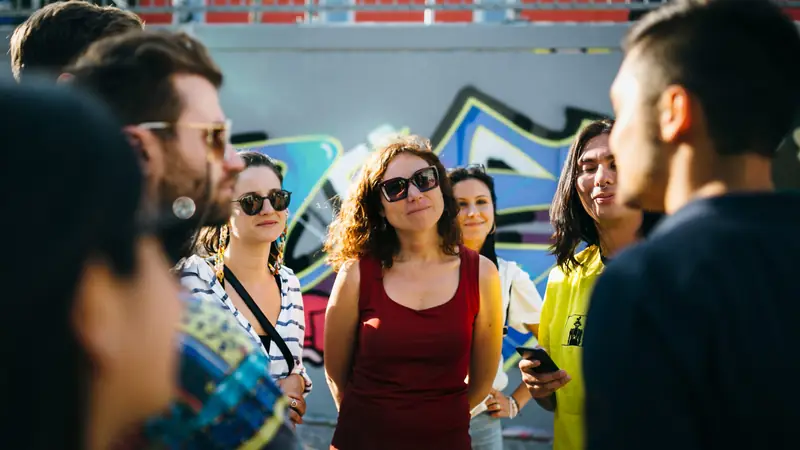
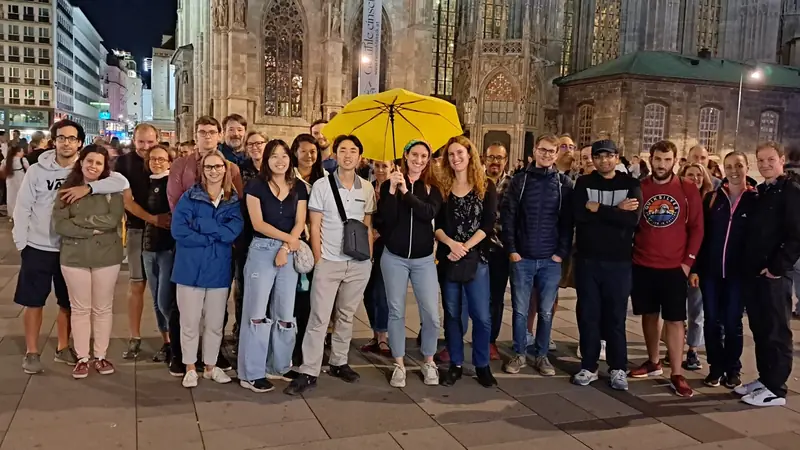
A quick way to start: nearly all of our guests find the city clicks into place once they have walked it once with a local. A free walking tour of the historical city centre on your first morning gives you the map in your head, the stories behind the stone, and honest recommendations for where to eat next. Everything below builds on that.
The must-do experiences, by theme
Imperial Vienna: palaces, the Hofburg and the Ringstrasse
Vienna was the seat of the Habsburg empire for more than 600 years, and the imperial city is still its headline act. Schönbrunn Palace, the Habsburgs’ vast summer residence, sits a short metro ride from the centre with 1,441 rooms behind its facade and formal gardens climbing to the Gloriette viewpoint above. Even without a ticket inside, the grounds are a lovely half-day in themselves. To go deeper into the family stories and the state rooms without the queue-and-guess, our private Schönbrunn Palace tour pairs the palace with a guide who knows which rooms reward a slow look.
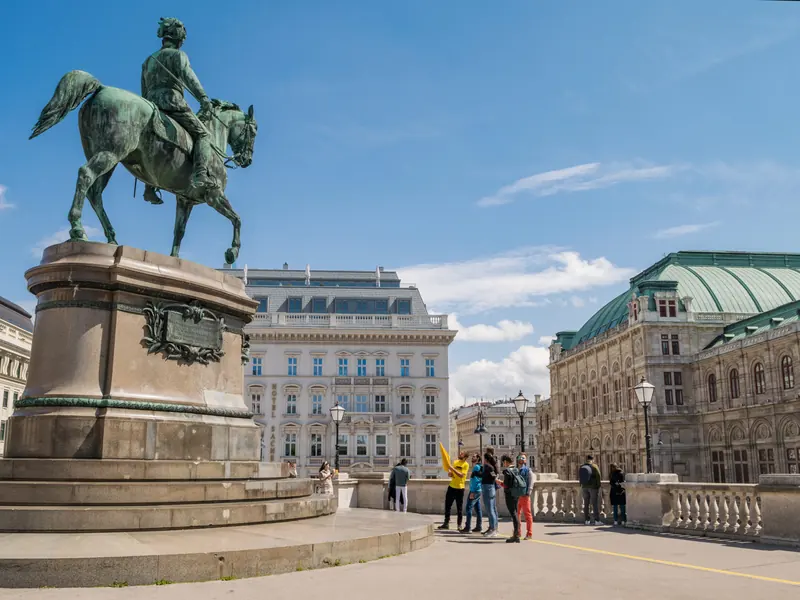
In the city centre, the Hofburg was the Habsburgs’ winter palace and is now a sprawling complex of courtyards, the Imperial Apartments, the Sisi Museum, the Spanish Riding School and the Austrian National Library’s breathtaking State Hall. Circling it all is the Ringstrasse, the grand 19th-century boulevard built where the city walls once stood, lined with the Opera, the twin Natural History and Fine Arts museums, the neo-Gothic City Hall and Parliament. Walking even part of the Ring is one of the simplest and most rewarding free things to do in Vienna.
Museums and culture: the MuseumsQuartier and the Belvedere
Vienna is one of Europe’s great museum cities. The Belvedere is two baroque palaces joined by a terraced garden, and the Upper Belvedere holds the world’s largest collection of Gustav Klimt paintings, including the beloved The Kiss. The MuseumsQuartier is one of the largest cultural districts in the world, home to the Leopold Museum with its Egon Schiele collection, the mumok modern art museum, and courtyards full of cafés and design shops that locals treat as an outdoor living room. Nearby, the Kunsthistorisches Museum (Museum of Fine Arts) is worth it for the building alone, with a grand staircase and a Bruegel collection without equal.
Coffee house culture: the living room of the city
The Viennese coffee house is not a place to grab a takeaway. It is an institution, listed by UNESCO as intangible cultural heritage, where a single coffee buys you a marble table, a newspaper and as many unhurried hours as you like. Order a Melange, our answer to the cappuccino, or a Wiener Melange with a slice of Sachertorte or apple strudel. Landmark houses such as Café Central, Café Sperl and Café Landtmann are worth seeking out, but honestly, the best coffee house is often the quiet neighbourhood one your guide points you toward. This is the single most relaxing thing to do in Vienna, and it is how the city itself unwinds.
Food and markets: the Naschmarkt and beyond
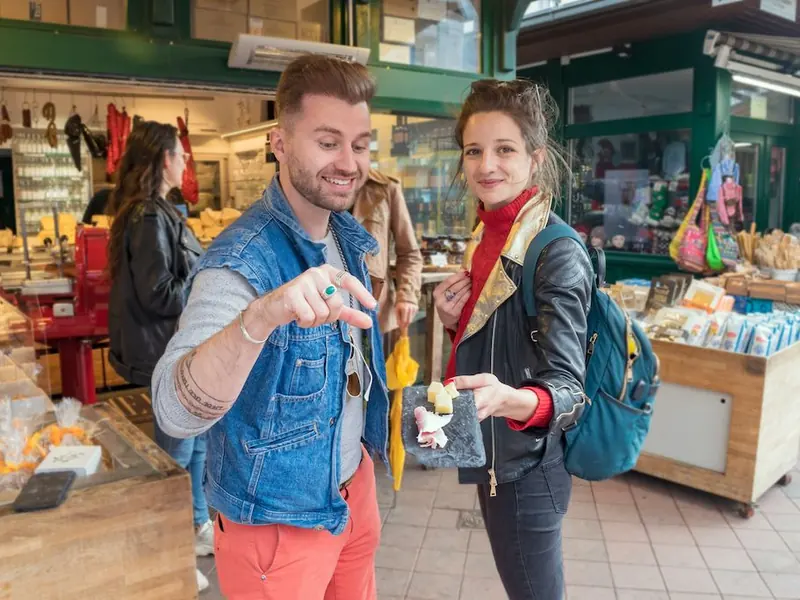
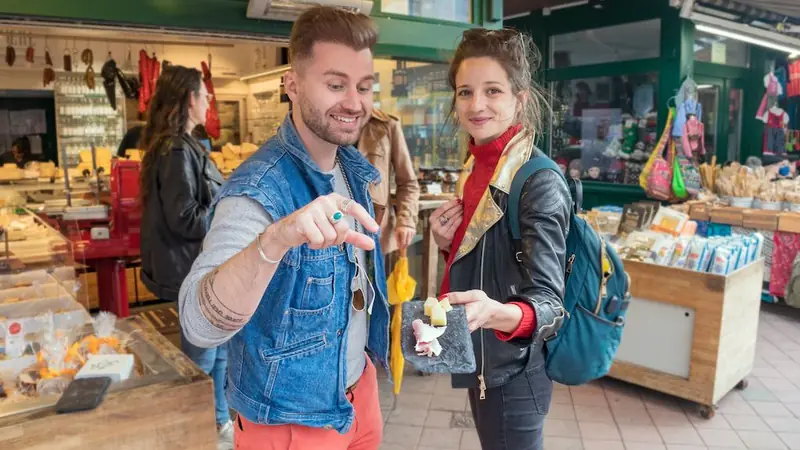
The Naschmarkt is Vienna’s most famous market, a long ribbon of stalls selling spices, cheeses, olives, fresh produce and sit-down bites from around the world, busiest and most fun in the late morning. It is easy to walk past the best of it without a nudge, which is exactly why we run a Naschmarkt food tour with tastings and the back stories from the traders we know by name. If you would rather roam wider than one market, our small-group street food tour threads together the dishes that define the city, from a proper Wiener Schnitzel to a sausage-stand Käsekrainer. And because Vienna is the only world capital with commercial vineyards inside the city limits, a wine tasting in the centre is a genuinely local thing to do, no trip out of town required.
Green space and the Prater
When you need a breather, Vienna delivers. The Prater is a huge public park whose amusement grounds are crowned by the Wiener Riesenrad, the giant Ferris wheel that has turned since 1897 and gives you a slow, romantic sweep over the rooftops. Beyond the rides, the park’s tree-lined main avenue is perfect for a walk, a run or a rented bike. For formal beauty there are the Burggarten and Volksgarten on the Ring with its rose beds, and for a wilder afternoon the hills of the Vienna Woods rise right at the edge of the city.
Music and Mozart: the sound of the city
Vienna is the City of Music, home at various times to Mozart, Beethoven, Schubert, Brahms and the Strauss family. You can hear classical music almost every night, from grand halls like the Musikverein and the State Opera to intimate chamber concerts in historic palaces. Mozart’s presence is woven through the old town, and a good evening classical concert is one of the most memorable things to do in Vienna at night. If opera feels daunting, the State Opera sells a small number of standing-room tickets on the day for the price of a coffee, one of the city’s best-kept value secrets.
Hidden gems: the Vienna locals keep for themselves
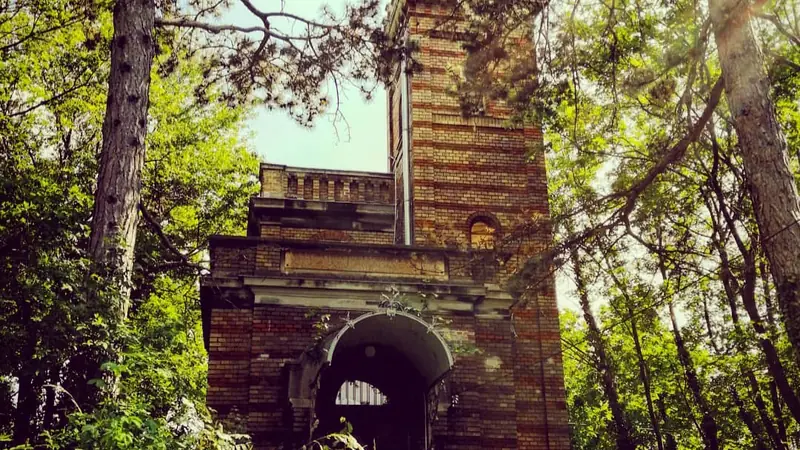
Once you have the headline sights, the fun begins. Vienna hides a great deal in plain sight: quiet inner courtyards, the tiled roof and rooftop views of St Stephen’s, the tucked-away Hundertwasserhaus with its playful facade, and the Beisl taverns where the schnitzel is bigger than the plate. Our Vienna like a local hidden gems walk was built for exactly this, and street-art fans can trade the baroque for the spray can on our free street art tour along the Danube Canal. For something with a shiver, the Spooky Vienna ghost tour tells the city’s darker stories after dark.
Day trips: three capitals and a river valley
One of Vienna’s quiet advantages is its position in the heart of Europe. Within an easy day you can stand in a second capital. Budapest and its grand parliament on the Danube make a spectacular long day out, and our day trip to Budapest takes the logistics off your hands. Bratislava, the Slovak capital, is barely an hour away, walkable and characterful, and best explored on our private day trip to Bratislava. Closer to home, the Wachau Valley wine tour trades the city for terraced vineyards, riverside villages and a downhill cycle with tastings along the Danube.
The itineraries: how to spend 1, 2 or 3 days in Vienna
These are the routes we actually recommend to guests. They assume you are staying near the centre, which is where we suggest basing yourself, and they are built to keep walking sensible rather than exhausting.
One day in Vienna: the essential loop
Morning. Start in the Innere Stadt, the old town, at St Stephen’s Cathedral. Give yourself an hour with the interior and, if you have the legs, the tower stairs for the view. From here, an early free walking tour of the historical city centre is the smartest possible use of a single day: in a couple of hours you will see the Hofburg, the medieval lanes, Graben and Kohlmarkt, and leave with a guide’s shortlist of where to eat and what to skip.
Afternoon. Break for lunch at a classic Beisl or the Naschmarkt, then choose one big sight. If imperial grandeur is the goal, take the metro to Schönbrunn for the palace grounds and Gloriette view. If art is your thing, spend the afternoon at the Belvedere with Klimt. Do not try to do both in a single day, the city rewards a slower pace.
Evening. Sink into a traditional coffee house for a Melange and Sachertorte, then, if you can, take in a classical concert or standing-room seats at the State Opera. This is Vienna at its most itself.
Two days in Vienna: sights, art and the good life
Day 1 follows the one-day loop above: old town and free walking tour in the morning, Schönbrunn in the afternoon, coffee house and music in the evening.
Day 2, morning. Head to the Belvedere for Klimt and the garden view over the city, then walk a stretch of the Ringstrasse, taking in the Opera, the museums and the City Hall.
Day 2, afternoon. Give the afternoon to food and markets. Our Naschmarkt food tour or small-group street food tour turns lunch into the highlight of the trip and shows you neighbourhoods most visitors miss. Round it off with a central wine tasting of Vienna’s own vintages.
Day 2, evening. Ride the Prater Ferris wheel at dusk for the city lights, or join our Spooky Vienna ghost tour for the old town’s darker corners. In summer, an unforgettable alternative is a Danube yacht experience out on the water.
Three days in Vienna: go deeper and go beyond
Days 1 and 2 as above, which cover the imperial sights, the great art, the food and the music.
Day 3, morning. Now that you know the city, trade the highlights for its character. Our Vienna like a local hidden gems walk or free street art tour shows the Vienna behind the postcards. Alternatively, dig into a museum you skipped, the Kunsthistorisches or the MuseumsQuartier.
Day 3, full day option. With three days, a day trip earns its place. Bratislava is the quickest second-capital hit, Budapest the most spectacular, and the Wachau Valley the most scenic, with vineyards, river villages and a downhill cycle.
Day 3, evening. Finish where Vienna shines after dark. Our free walking tour at night shows the illuminated old town, or you can end on a final concert and a last slice of cake. If you would rather design the whole thing around your own interests, a private experience in Vienna lets us tailor the day entirely to you.
Best time to visit and practical tips
When to go. Vienna is a year-round city. Spring (April to June) and early autumn (September to October) bring the most comfortable weather and gardens at their best. Summer is warm and lively, with long evenings, outdoor concerts and river life, though the headline sights are at their busiest. Winter is magical for its Christmas markets and concert season, cold but atmospheric. December brings the famous markets around the City Hall, Schönbrunn and Belvedere.
Getting around. Vienna’s public transport is excellent and easy. The U-Bahn (metro), trams and buses run on one integrated ticket, and the historic centre is compact and made for walking. You will rarely need a taxi. The tram along the Ringstrasse doubles as a cheap sightseeing loop.
Money and value. Vienna is a Western European capital, so it is not a budget city, but it offers outstanding value if you know where to look. Many of its greatest pleasures are free or nearly so: walking the old town and the Ring, the parks, the courtyards, standing-room opera tickets, and our free walking tours, which run on a tip-what-you-feel basis. A coffee house afternoon costs the price of one coffee.
How many days. Two days cover the essentials comfortably. Three days is our sweet spot, enough for the sights, the food, the music and one trip beyond the city. Card payment is widely accepted, though it is wise to carry a little cash for markets and smaller cafés.
A local tip. Book the big-ticket palace interiors and any concert ahead in peak season, and leave one afternoon completely unplanned. Vienna is a city that rewards wandering, and some of the best memories our guests bring home are the ones they stumbled into.
Frequently asked questions
How many days do you need in Vienna?Two days are enough to see the essential sights, including the old town, Schönbrunn, the Belvedere and a coffee house afternoon. We recommend three days as the ideal length, which adds time for food, music and a day trip to the Wachau Valley, Bratislava or Budapest without rushing.
What is the number one thing to do in Vienna?Seeing St Stephen’s Cathedral in the historic centre and touring Schönbrunn Palace are the two experiences almost no visitor should miss. If we had to pick a single first move, it would be a walking tour of the old town, because it orients you and turns every later sight into part of a story.
Is Vienna expensive?Vienna is a Western European capital and is not a budget destination, but it offers excellent value. Many of its highlights are free or very affordable, including walking the old town and the Ringstrasse, the parks, standing-room opera tickets and our tip-based free walking tours. A traditional coffee house afternoon costs little more than the price of a coffee.
What is there to do in Vienna at night?Vienna after dark means classical concerts and opera, atmospheric coffee houses and wine bars, a ride on the illuminated Prater Ferris wheel, and evening walks through the lamplit old town. Our free walking tour at night and our Spooky Vienna ghost tour are both built for the evening.
What is the best free thing to do in Vienna?Walking the historic city centre and the Ringstrasse costs nothing and shows you the heart of imperial Vienna. Joining one of our free walking tours, which run on a tip-what-you-feel basis, adds a local guide and the stories behind the buildings.
Is Vienna a walkable city?Yes. The historic centre is compact and largely pedestrian-friendly, and most of the central sights are within a comfortable walk of one another. For anything further out, such as Schönbrunn, the U-Bahn metro is quick, cheap and simple to use.
What food should I try in Vienna?Classic Viennese dishes include Wiener Schnitzel, Tafelspitz (boiled beef), sausage-stand favourites like the Käsekrainer, and sweets such as Sachertorte and apple strudel. The Naschmarkt is the best single place to graze, and a guided food tour is the fastest way to taste the city like a local.
What are the best day trips from Vienna?The most popular day trips are the Wachau Valley wine region along the Danube, the Slovak capital Bratislava around an hour away, and Budapest for a grander full-day outing. All three are easy to reach, and we run guided versions of each.